
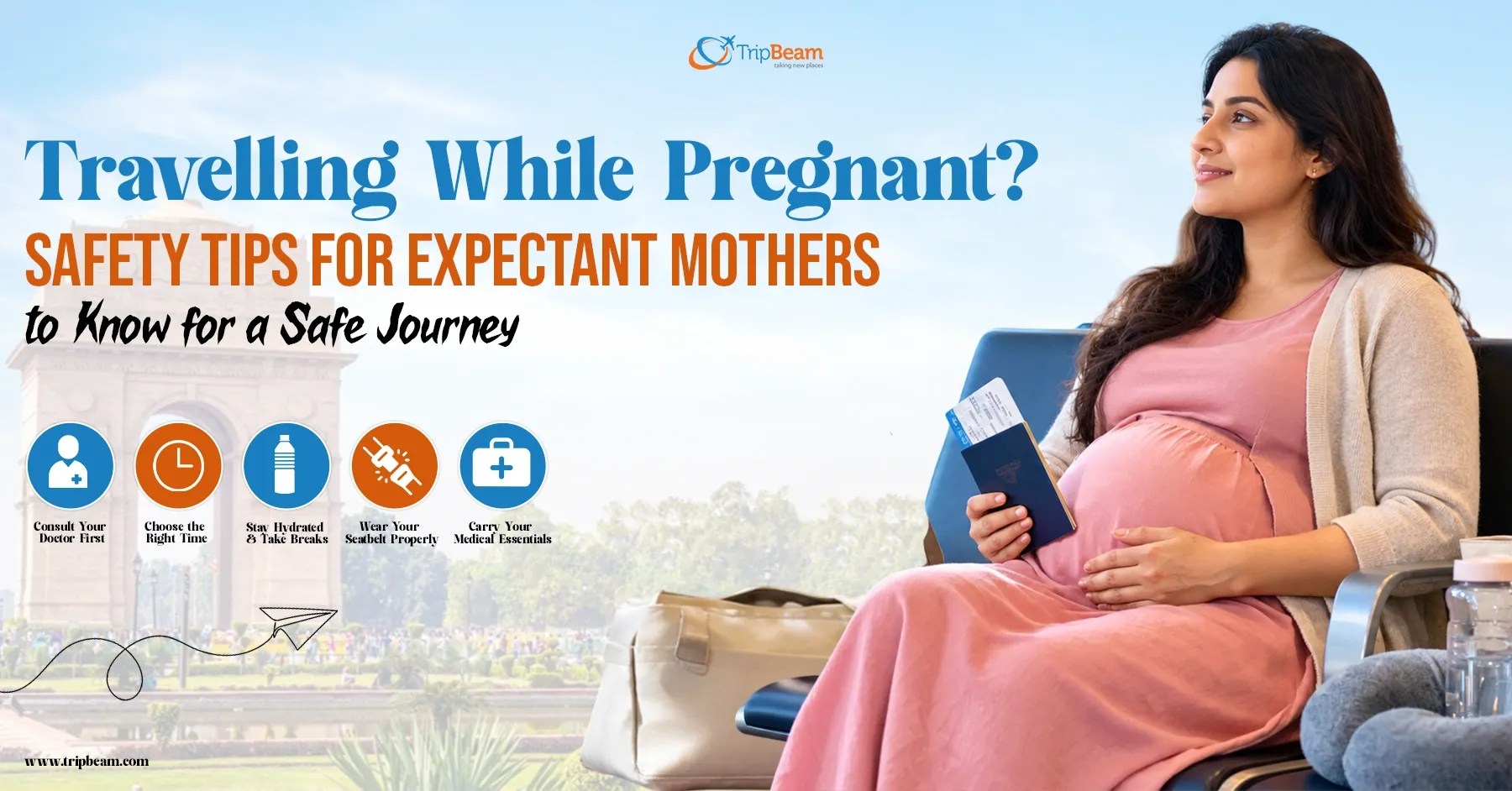
Traveling during pregnancy takes a bit more thought. You need to consider your stage of pregnancy, destination, as well as mode of transport. Furthermore, airline rules and access to medical care at your destination also deserve a place on your checklist.
For most women with an uncomplicated pregnancy, travel during pregnancy is possible. The second trimester is the best time to travel, while later in pregnancy you need to pay closer attention to airline restrictions and your healthcare provider’s advice.
Heading out soon? From choosing the ideal time to travel to packing your essentials, these pregnancy travel tips cover the things worth sorting out before you leave. You’ll also find advice for staying comfortable on the flight and during a long journey.
Is Traveling Safe During Pregnancy?
Travel is generally safe during a low risk pregnancy. However, talk to your doctor about your pregnancy and the type of trip you’re taking before making any plans. A short domestic journey and a long international trip raise different considerations.
Your stage of pregnancy, overall health, destination, mode of transportation, journey length and airline restrictions all matter. Another important point is medical care at your destination, especially when you’re traveling far from home.
Pregnancy complications can affect whether you should travel. Your doctor may recommend delaying or avoiding travel based on your health and pregnancy.
When Is the Best Time for Traveling While Pregnant?
For many women, the second trimester is an ideal time for traveling while pregnant. The nausea and tiredness of early pregnancy settle down and you’re not yet dealing with the extra discomfort that comes with the final months.
Traveling in the First Trimester
You can travel during the first trimester when your doctor considers it appropriate. Still, morning sickness, tiredness and other early pregnancy symptoms can make a long journey harder than expected.
So, if you’re traveling while pregnant during these early weeks, keep water, light snacks, approved medications, and comfortable clothes within easy reach.
Traveling in the Second Trimester
The second trimester is a good time for traveling while pregnant. Many expectant mothers have more energy during these months, and you still have more room to travel before airline restrictions become stricter later in pregnancy.
Traveling in the Third Trimester
Travel during the third trimester requires more planning. Airlines have their own pregnancy travel policies and some require medical documentation after a certain stage of pregnancy. The rules also differ for multiple pregnancies and pregnancies with complications.
What Should You Do Before Traveling While Pregnant?
Before you book the trip, talk to your healthcare provider about your travel plans. Share your destination, travel dates, how long you’ll be away and how you plan to get there. Your doctor can also advise you about any pregnancy related concerns and whether you need extra care during the journey. You should also check:
- Your pregnancy records and medical information
- Your destination’s healthcare facilities
- Travel insurance coverage
- Required vaccinations
- Entry requirements
- Disease risks
- Airline pregnancy rules
- Medication requirements
For international travel while pregnant, spend extra time researching your destination. Healthcare services, infectious disease risks, food safety and vaccination requirements differ from country to country.
Can You Fly While Pregnant?
Yes, flying during pregnancy is generally safe for women with uncomplicated pregnancies. Your healthcare provider should confirm that air travel is appropriate for your individual situation. For an international flight, comfort and circulation deserve extra attention.
- Choose an Aisle Seat – An aisle seat gives you easier access to the restroom and makes it simpler to stand and walk around the cabin.
- Keep Moving – On longer flights, get up and walk around periodically. When you’re seated, flex and move your ankles and legs regularly. Long journeys lasting more than four hours are associated with a small risk of blood clots, so regular movement and other precautions are very important.
- Drink Enough Water – Keep water nearby throughout the flight. Avoid sitting for several hours without drinking or moving.
- Wear Comfortable Clothing – Loose clothing and comfortable shoes make a noticeable difference during a long flight.
- Wear Your Seatbelt Correctly – Keep the seatbelt low across your hips and underneath your abdomen rather than across your belly.
Check Airline Pregnancy Travel Rules Before Booking
Airline pregnancy travel rules vary, so check your airline’s policy before purchasing your ticket. Many airlines allow pregnant passengers to fly into the later weeks of pregnancy when there are no complications but the cutoff varies. International flights and multiple or complicated pregnancies often come with additional requirements. Some airlines also ask for a doctor’s letter once you reach a certain stage of pregnancy.
Air India, for example, has specific requirements based on how far along you are and whether the pregnancy involves one baby or multiples. Medical clearance and other documents also apply at later stages.
Pay Attention to Food and Water Safety
Food and water precautions become especially important when you’re traveling internationally.
Choose food that is properly cooked and served hot. Wash your hands regularly and use safe drinking water. Avoid food and drinks that carry a higher risk of contamination, particularly in destinations where sanitation standards differ from what you’re accustomed to.
Foodborne infections can cause serious illness during pregnancy, so basic hygiene deserves extra attention when traveling while pregnant.
Check Vaccination and Infection Risks
International travel during pregnancy requires destination-specific health planning.
Some destinations have infectious disease risks that require special precautions. Vaccination recommendations also differ by destination and pregnancy status. Certain vaccines are recommended during pregnancy, while others are not routinely given during pregnancy.
Mosquito-borne diseases deserve particular attention.
The CDC recommends that pregnant travelers avoid destinations with an active Zika Travel Health Notice. Where travel is unavoidable, strict mosquito-bite prevention and other recommended precautions become important.
Before you travel, check the current health guidance for your destination and discuss it with your healthcare provider.
Research Medical Care at Your Destination
Knowing where to get medical care should be part of every pregnancy travel checklist.
Before departure, identify:
- A hospital or maternity facility near your accommodation
- Emergency contact numbers
- Your healthcare provider’s contact information
- Your health insurance details
- Your pregnancy records
- The location of your nearest pharmacy
This becomes especially important when traveling internationally or visiting a remote destination.
What Should You Pack for Pregnancy Travel?
A pregnancy travel checklist should include more than clothes and toiletries. Pack your essential items in your carry-on rather than checked luggage.
Pregnancy Travel Checklist
- Passport and travel documents
- Pregnancy and medical records
- Doctor’s contact information
- Health insurance information
- Prescribed medications
- Comfortable shoes
- Loose clothing
- Water bottle
- Healthy snacks
- Prenatal vitamins
- Personal hygiene products
- Copies of important medical documents
- Any airline-required medical certificate
Keep important documents and medication within easy reach throughout the journey.
Consider Travel Insurance During Pregnancy
Travel insurance during pregnancy should be checked carefully before you book your trip.
Not every travel insurance policy covers pregnancy-related medical care in the same way. Some policies also have restrictions based on your stage of pregnancy or whether your pregnancy involves complications.
Before purchasing a policy, check:
- Pregnancy-related medical coverage
- Emergency treatment
- Hospitalization
- Trip cancellation
- Medical evacuation
- Coverage limits
- Restrictions based on pregnancy stage
Don’t assume that a standard travel insurance policy automatically covers every pregnancy-related situation.
What Documents Should You Carry?
Keep your important travel and medical documents together. Your documents should include:
- Passport
- Visa or entry documents
- Flight reservation
- Travel insurance details
- Pregnancy records
- Medical history
- Prescription information
- Doctor’s contact details
- Airline medical certificate, if required
For international trips, keep digital copies of important documents as a backup.
When Should You Avoid Travel During Pregnancy?
Your healthcare provider should determine whether travel is appropriate if your pregnancy involves medical complications. You should seek professional medical advice before traveling if you have concerns such as:
- Pregnancy complications
- Risk of premature labor
- Significant bleeding
- Severe pregnancy symptoms
- Multiple pregnancy
- A condition requiring close medical monitoring
The main concern with late pregnancy travel is access to appropriate care if labor or another obstetric emergency occurs.
Traveling while pregnant becomes much easier when you plan around your health, destination, and stage of pregnancy. A comfortable journey starts with choosing the right time to travel while pregnant and a convenient flight that suits your needs.
If you’re planning an international trip between USA and India, explore affordable international flights with TripBeam and compare available airfares for your travel dates before booking.