
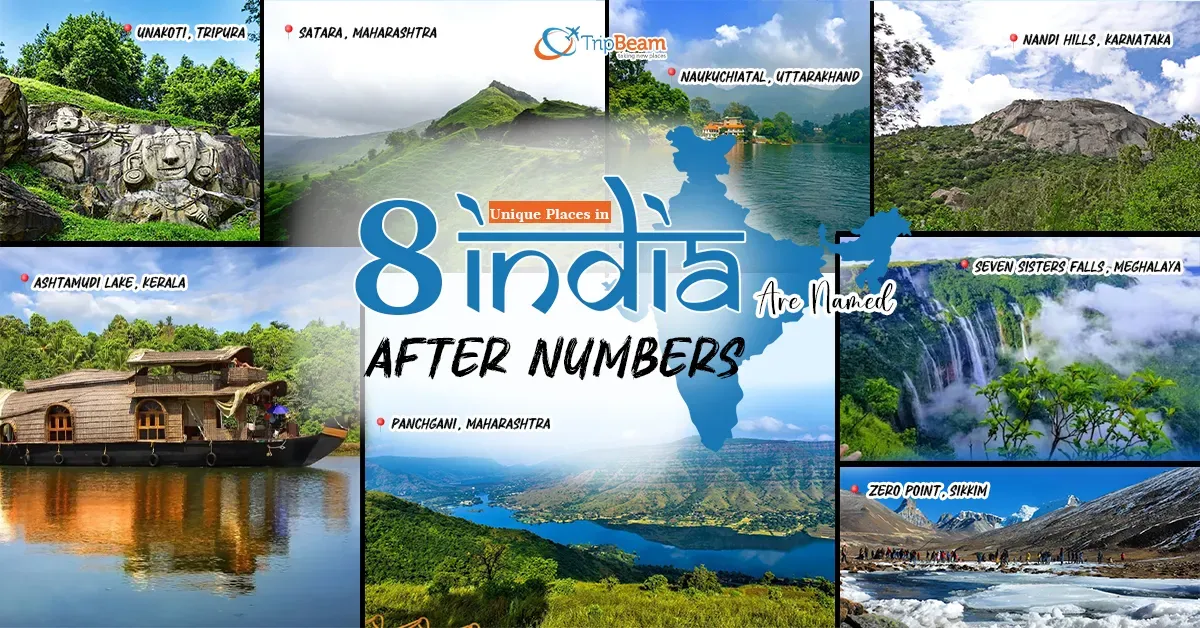
Some places don’t need a famous monument to make you curious. The name alone does it. A nine-cornered lake, a hill station built between five villages, an ancient site whose name literally translates to “one less than a crore.” None of these are made up. In fact, they’re real destinations scattered across India, and each name carries a piece of local history, geography, or myth, usually more interesting than the place itself.
If you’re planning to explore these unusual destinations, book cheap flights to India on Tripbeam.
8 Unique Places in India That Are Named After Numbers
Unakoti, Tripura

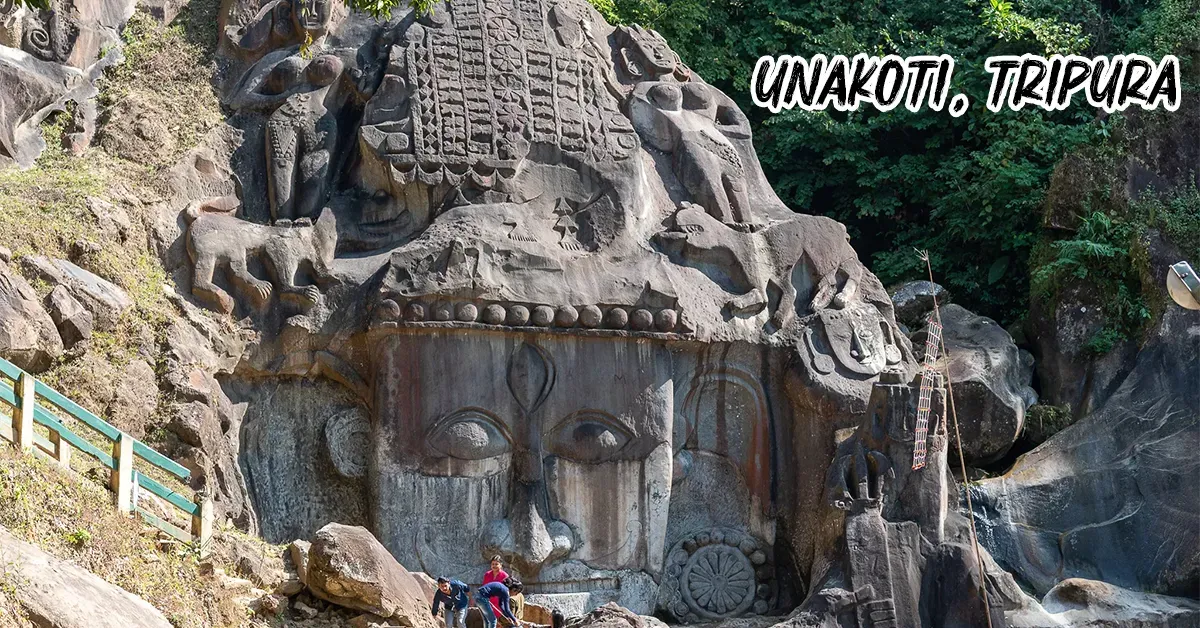
Unakoti means “one less than a crore,” and the story behind it is stranger than the translation suggests. According to local legend, Shiva was traveling to Kashi with a crore of gods and goddesses. He told everyone to wake before sunrise. Only he managed it. The rest overslept, and an angry Shiva turned every last one of them to stone. That left exactly one figure short of a crore.
Enormous rock-cut sculptures now cover the hillside here. They’re old enough and significant enough that Unakoti sits on UNESCO’s Tentative World Heritage List. It’s one of northeast India’s more overlooked historical sites, best visited between October and March.
Satara, Maharashtra
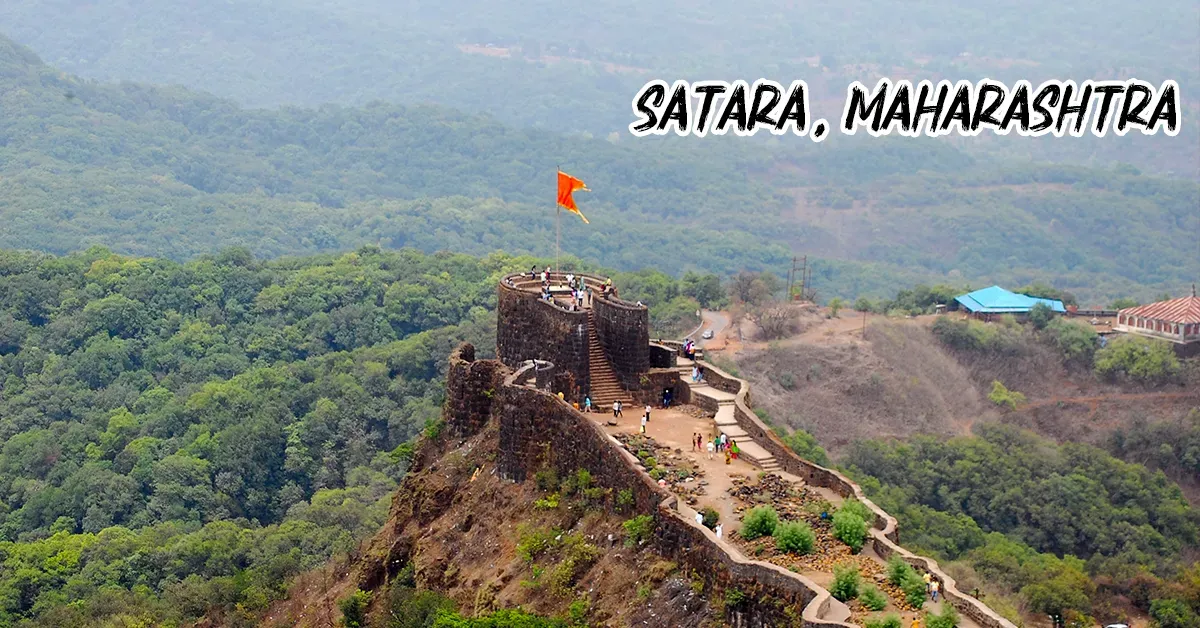
“Sat” means seven. Satara takes its name from the seven forts that once ringed the city, a legacy of its time as a Maratha Empire stronghold and briefly its capital. These days the forts matter less than what surrounds them, the Kaas Plateau, its waterfalls, and the Western Ghats stretching out behind the city. Mumbai and Pune locals treat it as a go-to weekend escape, especially once the monsoon hits between July and February.
Naukuchiatal, Uttarakhand
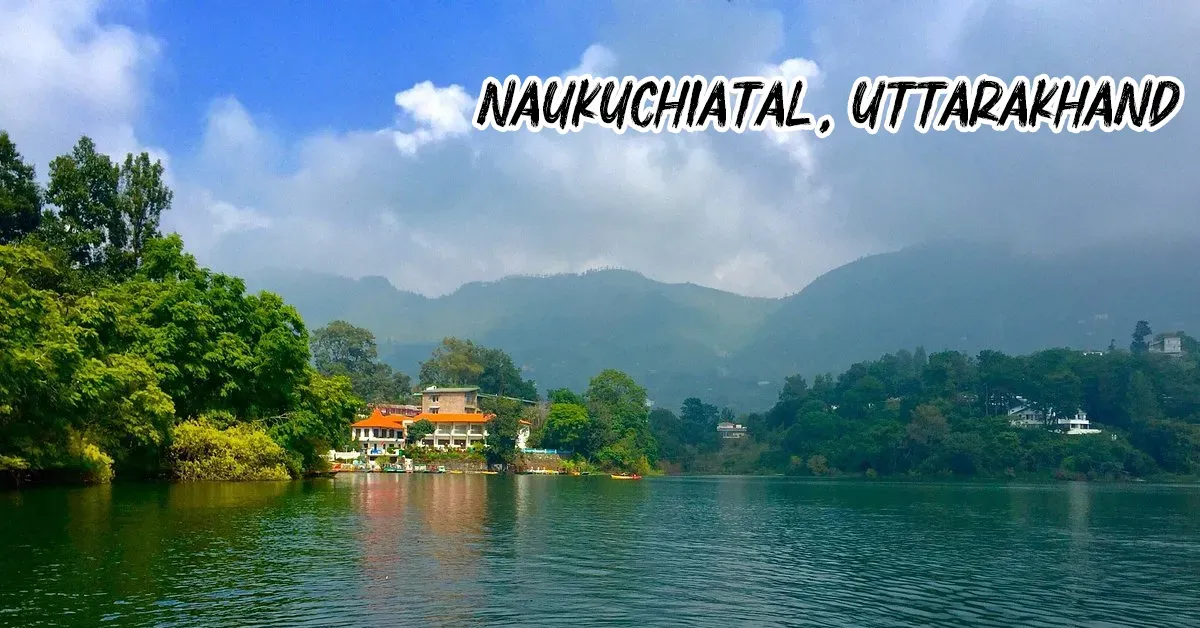
Right next to the much busier Nainital sits Naukuchiatal, and somehow it’s stayed quiet. The name means “lake of nine corners,” describing the oddly shaped lake at its center, ringed by forest. Local belief holds that seeing all nine corners at once brings enlightenment. Most visitors settle for something simpler: boating, birdwatching, or a walk without a crowd trailing behind them. It’s one of the best hidden places to visit in India if Nainital’s tourist traffic isn’t what you’re after. Best window: March to June, or September to November.
Meanwhile, if you’re planning to visit Uttarakhand, book cheap flight tickets to Delhi from USA before finalizing your itinerary.
Nandi Hills, Karnataka
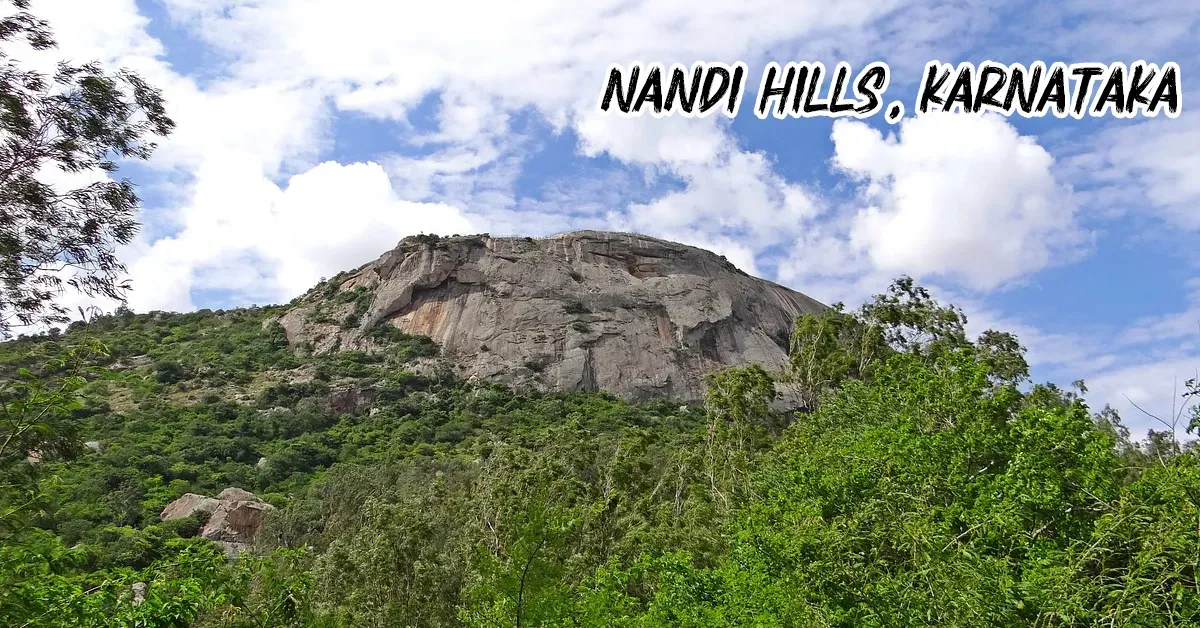
Most tourists show up here for the sunrise and never learn the name’s backstory. Nandi Hills takes its name from Nandi, Shiva’s bull. Locals say the hills resemble a sleeping Nandi from a distance. Thick cloud cover rolls into the valleys below most mornings, thick enough that standing at the top genuinely feels like standing above the clouds instead of under them. An hour outside Bengaluru, it’s one of the easiest weekend mountain trips in the south. October through March is the clearest stretch.
Ashtamudi Lake, Kerala

“Ashta” is eight, “mudi” means branches. Ashtamudi earned both halves of its name honestly, eight separate waterways converge here before draining into the Arabian Sea. As one of Kerala’s largest backwaters and a Ramsar Wetland of international importance, it’s one of the unique places in India that photos never quite capture. Houseboats, mangrove forests, small village life along the banks, and sunsets that are hard to overstate make it one of Kerala’s most complete destinations in one stop. Best time: October to March.
Seven Sisters Falls, Meghalaya
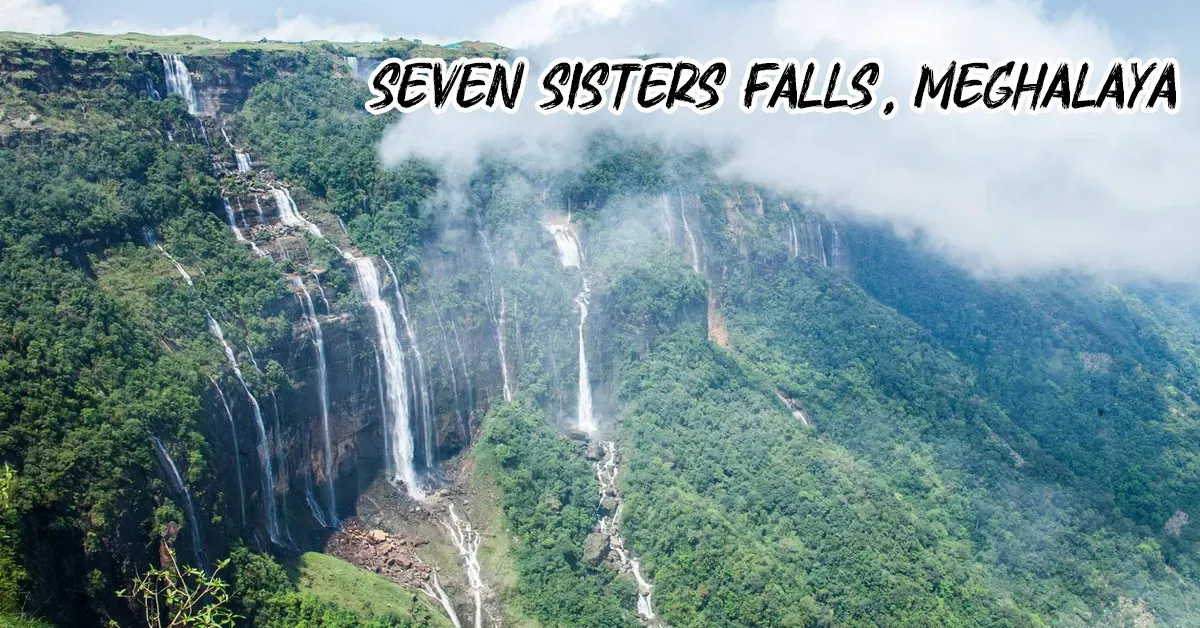
Cherrapunji gets some of the heaviest rainfall on Earth, so a dramatic waterfall showing up here isn’t exactly a surprise. Seven Sisters Falls takes its name from the seven distinct streams that tumble down the limestone cliffs once the monsoon sets in. At peak flow, the entire cliff face turns into a single wall of water stretching hundreds of feet. During the monsoon, photographers travel from across India just to capture the waterfall at full flow.
Panchgani, Maharashtra
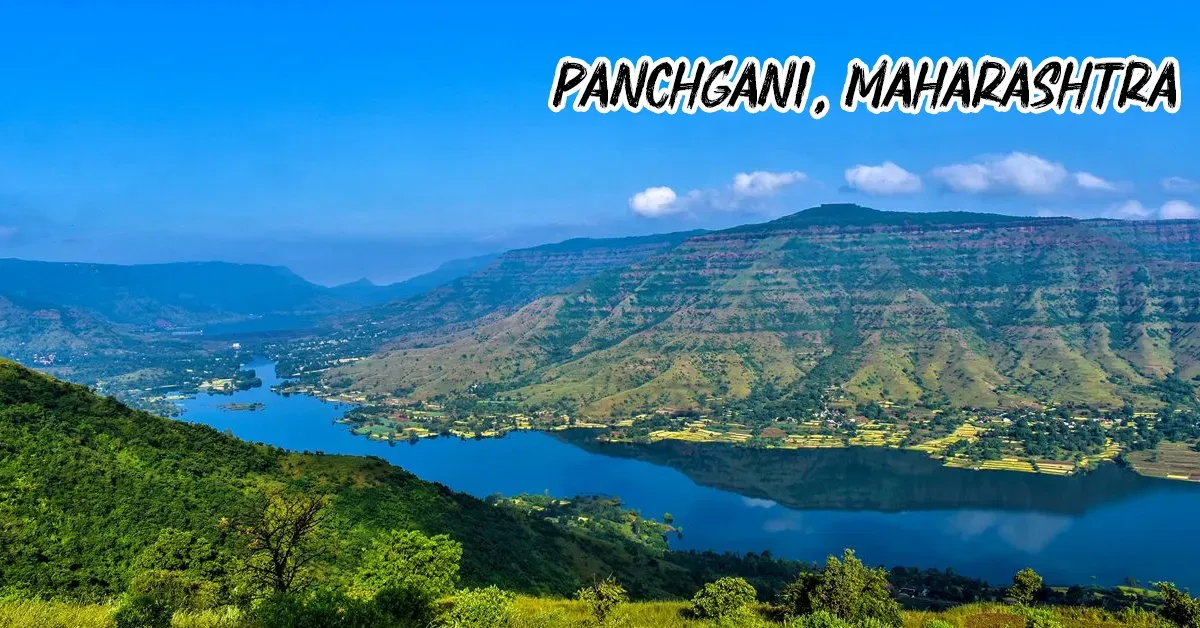
Panchgani translates to “land between five villages,” Dandeghar, Godavali, Ambral, Khingar, and Taighat. The hill station grew out of these settlements before becoming one of Maharashtra’s most visited retreats. Table Land, Sydney Point, strawberry farms, and colonial-era schools are the draw now, along with weather that stays cool for most of the year. Being just a few hours from both Mumbai and Pune keeps it busy nearly year-round. Best visited September through May.
Zero Point, Sikkim
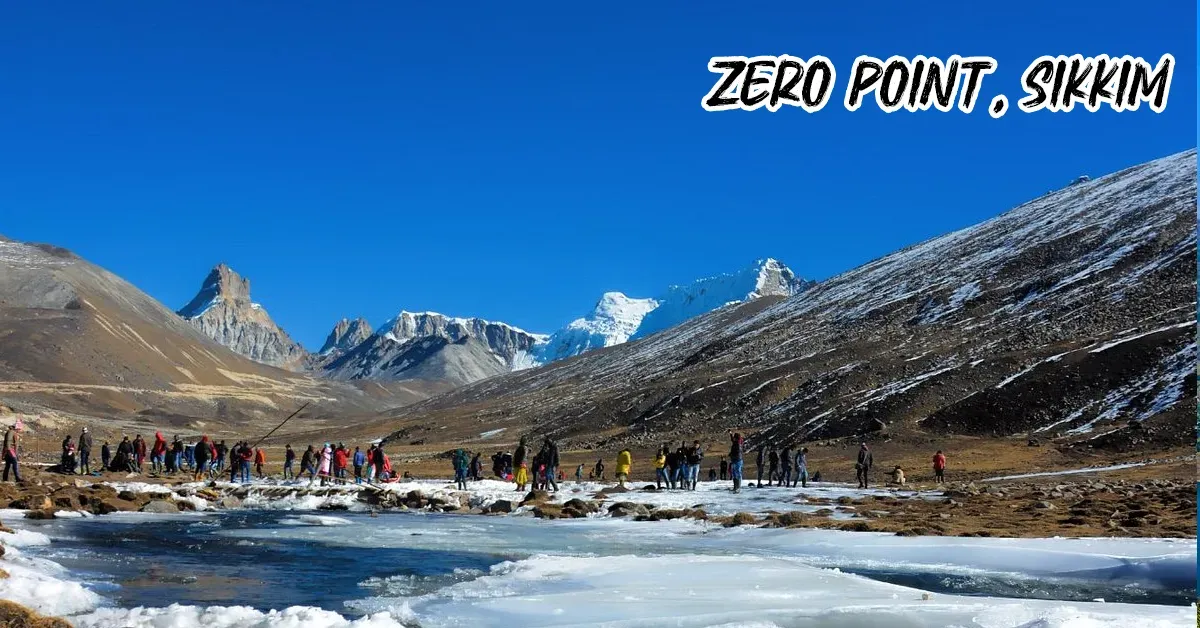
Not every name on this list comes from mythology. In Zero Point’s case, it’s pure geography. It marks the spot where the motorable road simply ends, beyond Yumthang Valley near the Indo-China border. Past this point, you either turn back or need special permission to continue. Northeast India doesn’t get more dramatic than this — snow-covered peaks, alpine meadows, and a silence you won’t find anywhere closer to the cities. For a lot of travellers doing a full northeast India itinerary, Zero Point ends up being the actual highlight. Best time to go is April to June, or October to December.
Final Thoughts
India’s headline landmarks earn their reputation fairly. But the places people stumble onto almost by accident are often the ones they remember longest. A lake with nine corners, a hill station built between five villages, an ancient site tied to a story about one crore stone figures minus one, these unique places in India each carry a small piece of history that only makes sense once you’ve heard it.
If these places in India named after numbers have made it onto your list, check the best offers on international flights on Tripbeam before booking. Checking a few airlines and flexible travel dates often saves more than most travelers expect.
FAQs
Q1) Which place in India is named after the number nine?
A) Naukuchiatal, in Uttarakhand, takes its name from a nine-cornered lake and remains one of the calmer hill destinations in the north.
Q2) Why is Unakoti called Unakoti?
A) Local legend says Shiva turned a crore of sleeping gods to stone in anger, leaving one figure short, hence “one less than a crore.”
Q3) Which hill station in India is named after five villages?
A) Panchgani, in Maharashtra, grew out of five villages that originally surrounded it.
Q4) Where is Zero Point in India?
A) Just beyond Yumthang Valley in North Sikkim, near the Indo-China border, where the road itself comes to an end.
Q5) What are some unusual and unique places to visit in India?
A) Unakoti, Panchgani, Naukuchiatal, Ashtamudi Lake, Seven Sisters Falls, Satara, Nandi Hills, and Zero Point all carry names with stories worth knowing before you go.